Discover

Histories

Exhibit

Wisconsin Evangelical Lutheran Synod

175Years

Christ through us

The beginnings of WELS go back to 1850 in Milwaukee. At 175 years old, only the Lutheran Church-Missouri Synod can claim a longer history while still remaining intact and retaining its identity. Older Lutheran church bodies in America have splintered or been swallowed up in mergers. While WELS as it is today is the product of a merger—and there have been small groups that have split off because of different controversies—WELS can still trace its roots, history, and identity back 175 years.

By God’s grace, WELS has remained faithful to God’s Word and faithful to its calling of proclaiming the good news of Christ.

The history of WELS is the story of God’s work among his people and through his people in one corner of his Church. There are fascinating stories about people, churches, schools, missions, and other ministries. From small beginnings, the gospel seed has grown so that WELS has become a nationwide and worldwide church body.

These three interactive timelines endeavor to give the highlights of WELS history while also allowing for further exploration. Clicking on a year will give a brief description of a key event. Clicking on links (underlined/bold/highlighted words) will open pages with articles, other timelines, videos, or podcasts.

The interactive timelines are intended for anyone desiring to learn more about God’s work through WELS. It is also hoped that this timeline page will be a resource for Lutheran elementary and high school teachers, as well as pastors teaching WELS history to their congregations.
Search Collections

Exhibits

175 Years in Time

Three historical timelines of WELS throughout each century

  • 1833
  • 1837
  • 1847
  • 1848
  • 1849
  • 1850
  • 1857
  • 1860
  • 1863
  • 1863-1865
  • 1865
  • 1867
  • 1868
  • 1870
  • 1871
  • 1872
  • 1878
  • 1884
  • 1885
  • 1889
  • 1891
  • 1892
  • 1893
  • 1833

    First Lutheran Church in Michigan

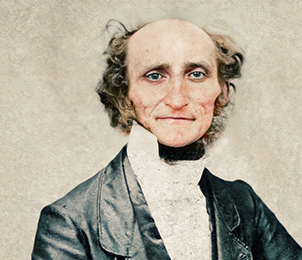
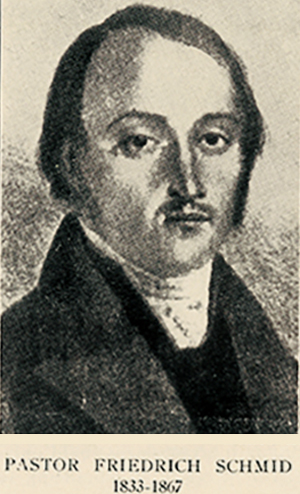
    Friedrich Schmid arrives in Michigan from the Basel Mission Society in Germany. He is the first Lutheran pastor in Michigan, establishing the first Lutheran church in Michigan: Salem, Scio Township (Ann Arbor), still a WELS church today. This congregation is served by Pastor Schmid from 1833-1867, when he retires.


  • 1837

    Migration to America

    Johannes Muehlhaeuser arrives in New York from Barmen, Germany. He is one of two missionaries sent to America by the Langenberg Mission Society to serve newly migrated Germans in America. He eventually serves a congregation in Rochester, New York, for ten years.

    Related: 

    • The Lutheran History Podcast: Who was Johannes Muehlhaeuser, Christmas trees, and the founding of the Wisconsin Synod
      Spotify | Apple Podcasts

  • 1847

    A Start in Wisconsin

    Johannes Weinmann arrives in the Milwaukee area and begins serving St. John’s, Oakwood (Oak Creek). He is the first of our founding fathers to arrive in Wisconsin and becomes the pioneer pastor of what will become the Wisconsin Synod. On his way to Wisconsin he stops in Ann Arbor, Michigan, to be ordained by Pastor Friedrich Schmid.


  • 1848

    Settling in Milwaukee

    Johannes Muehlhaeuser arrives in Milwaukee after being told by Johannes Weinmann about the need for German Lutheran pastors in this area. He supports himself for a time as a salesman of religious tracts. In October 1848 he establishes Grace in downtown Milwaukee.


  • 1849

    The Idea Forms for a New Synod

    Wilhelm Wrede arrives in the Milwaukee area and begins serving Salem, Granville (Milwaukee). On December 8, 1849, Johannes Muehlhaeuser, Johannes Weinmann, and Wrede meet at Grace to discuss founding a new Lutheran synod in Wisconsin.

    Related:


  • 1850

    The Founding of the Wisconsin Synod

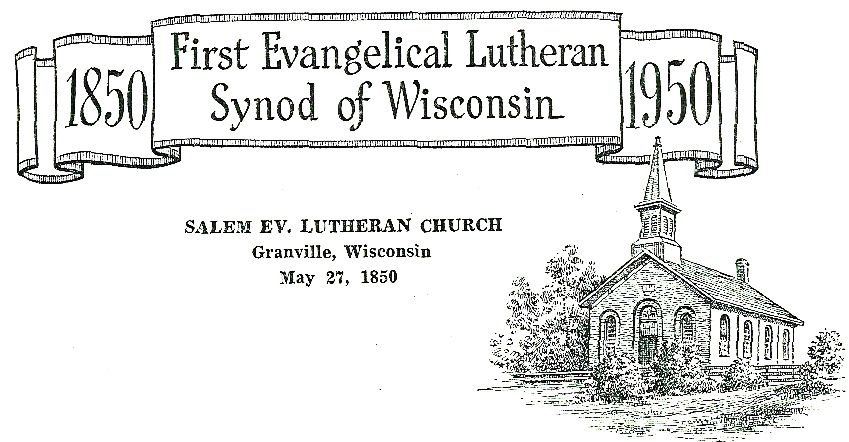
    On May 26, 1850, the First German Lutheran Ministerium of Wisconsin is founded at Salem, Granville. Johannes Muehlhaeuser is elected to serve as the first president. The founders adopt and sign the new constitution, written by Muehlhaeuser. The constitution states there were to be two meetings of the synod each year. The first is the meeting of the pastors, called the Ministerial Meeting, and the second is the Synodical Meeting where new members are licensed and admitted to the synod.

    Related: 


  • 1857

    Small Start to Mission Outreach

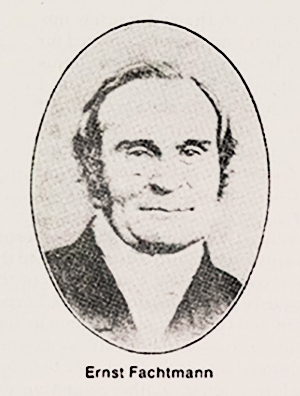
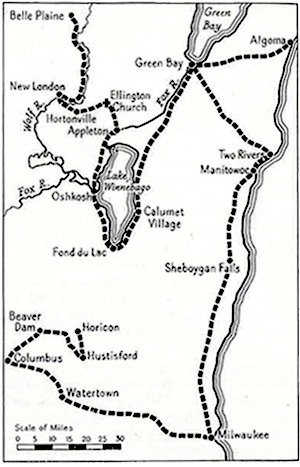
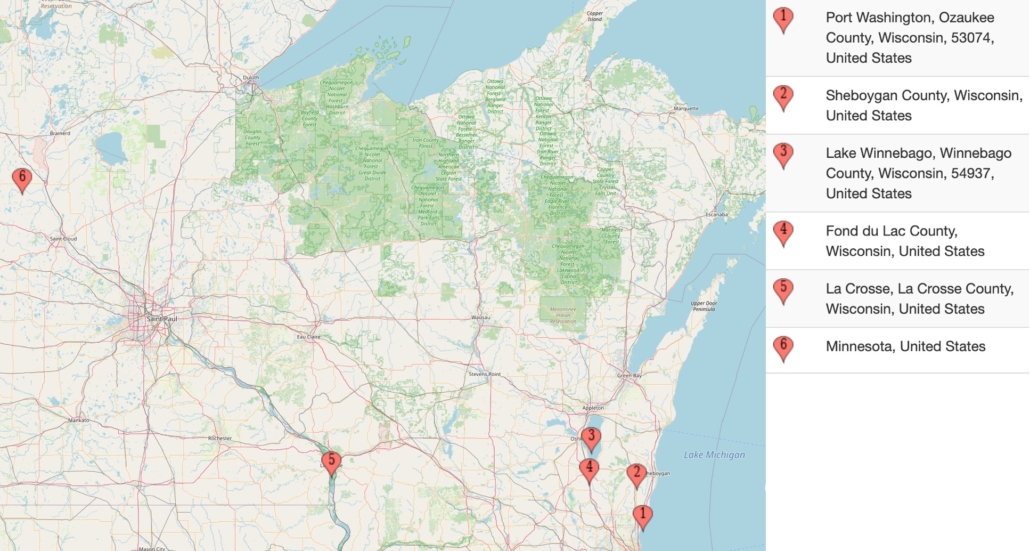
    Ernst Fachtmann begins serving as a “Reiseprediger,” or a traveling preacher. Fachtmann’s remarkable ministry begins in October 1857 when he sets out on foot with a pack filled with books and Communion ware. He travels first in Wisconsin to Port Washington and Sheboygan before turning west toward Lake Winnebago. His travels continue on toward Fond du Lac, La Crosse, and eventually into Minnesota.


  • 1860

    Presidential Change and New Synods Form

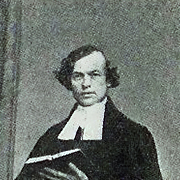
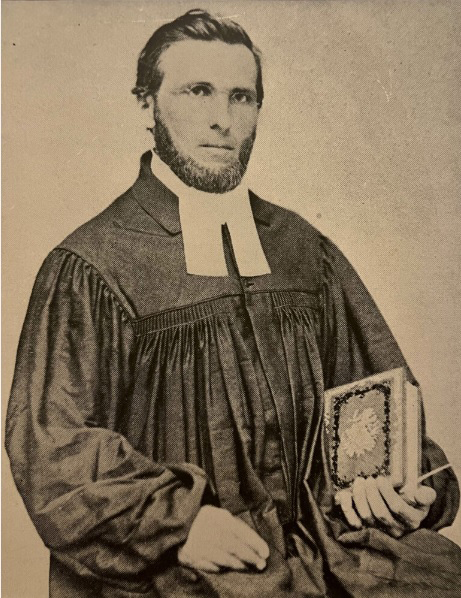
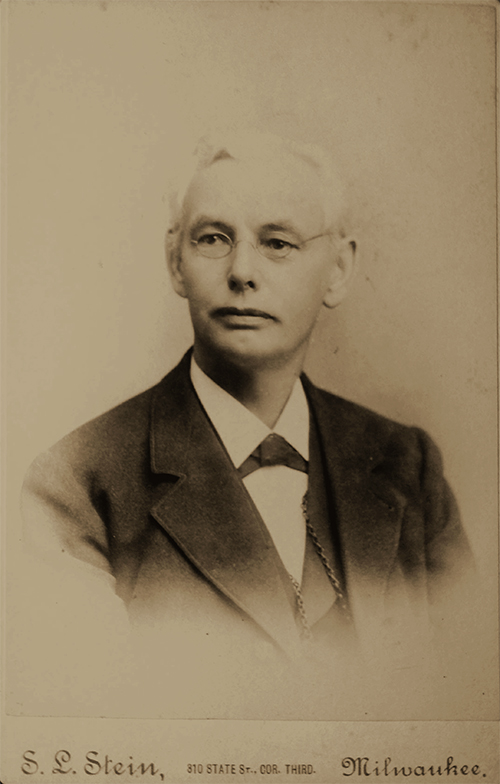
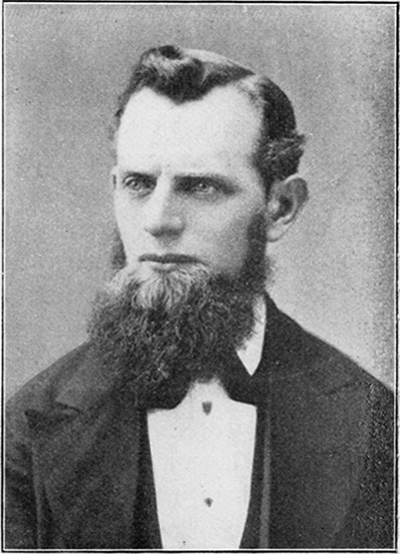
    Johannes Muehlhaeuser steps down as Wisconsin Synod president at the annual synod convention. Johannes Bading is elected to replace him. Bading is 36 years old when he is elected synod president. The Minnesota Synod is founded with J.C. H. Heyer as its first president. The Michigan Synod is also founded in this year.  Friedrich Schmid, who founded Salem in Ann Arbor, Michigan, is its first president.


    [Bading full body view]

  • 1863

    A Seminary Begins

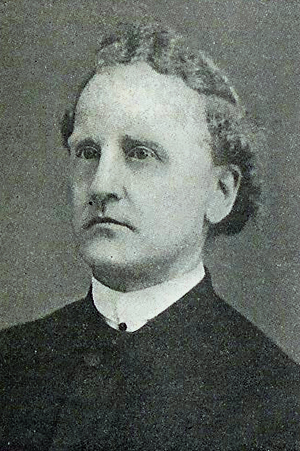
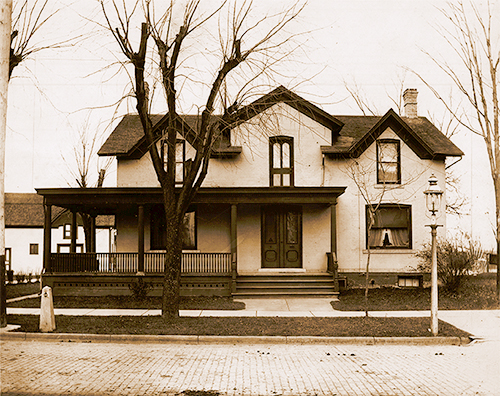
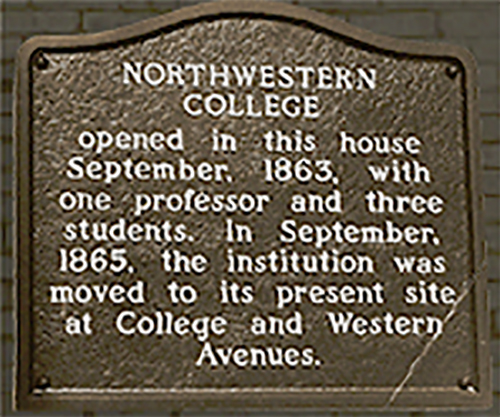
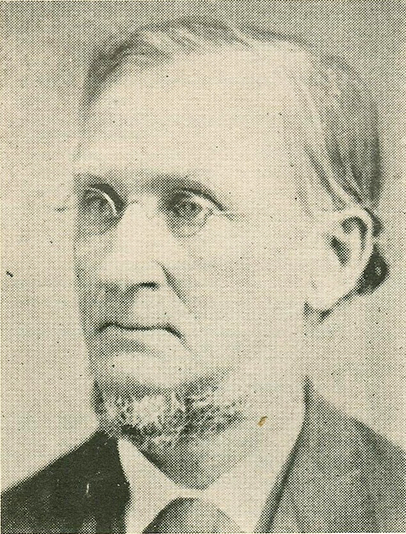
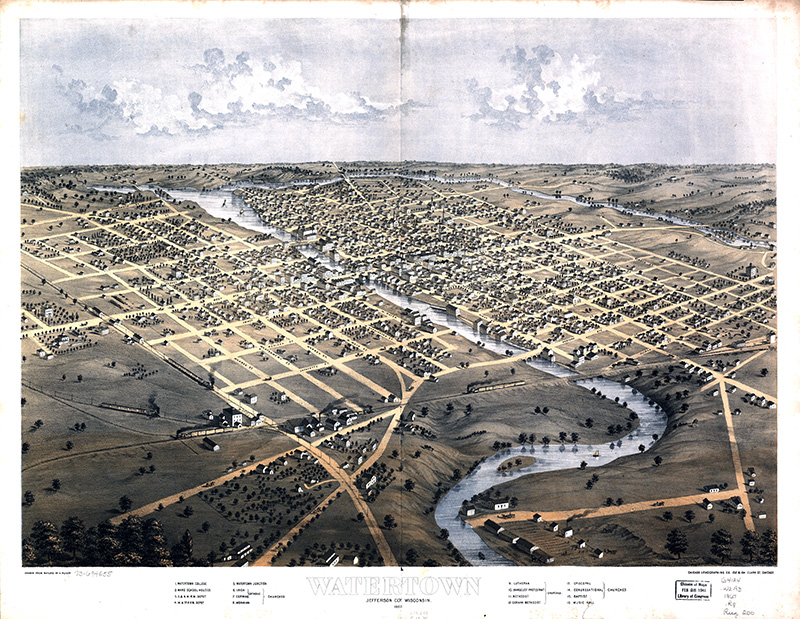
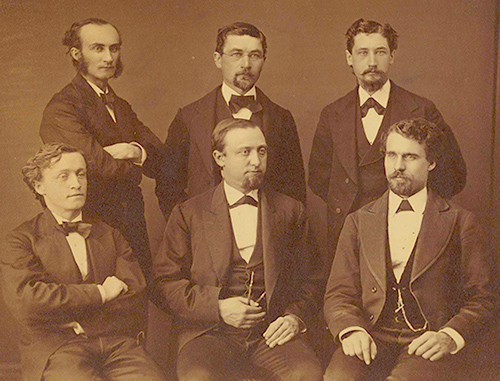
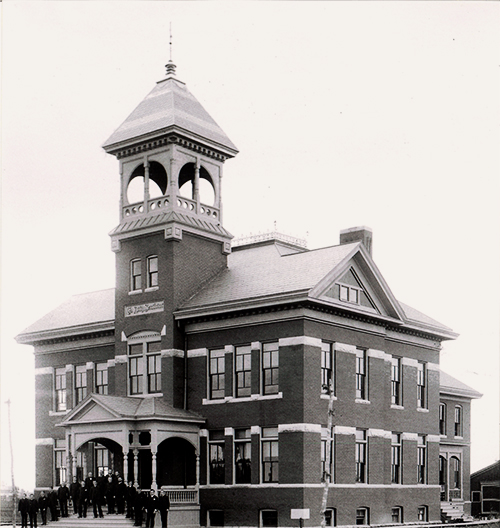
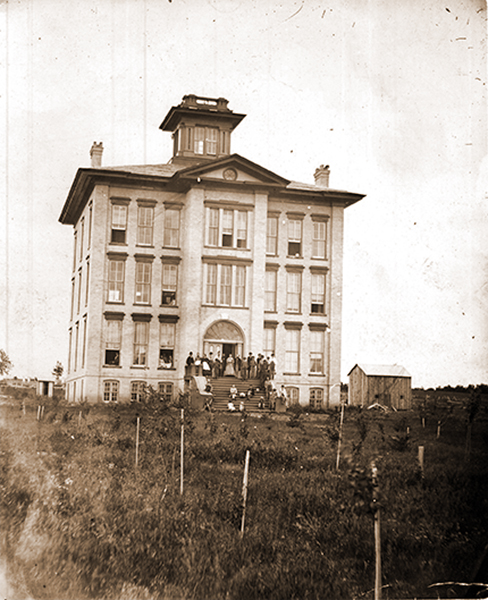
    Growth in the synod leads to the synod having 59 congregations and 31 preaching stations, but only 29 pastors. At the 1863 synod convention, President Johannes Bading repeats the need for the synod to have its own seminary. The delegates to the convention vote to open a seminary in a rented house in Watertown, Wisconsin. Pastor Eduard (Edward) Moldehnke is the first professor and director and begins classes with one student.


  • 1863-1865

    Fundraising Mission

    To help raise funds for the new seminary, Johannes Bading travels to Germany and Russia. While he is traveling, Rev. Gottlieb Reim serves as president from 1863-1865. When Reim resigns from the presidency, Rev. Wilhelm Streissguth, pastor at St. John’s in Milwaukee (on the Hillside), serves as president from 1865-1867.


  • 1865

    A College for the Synod

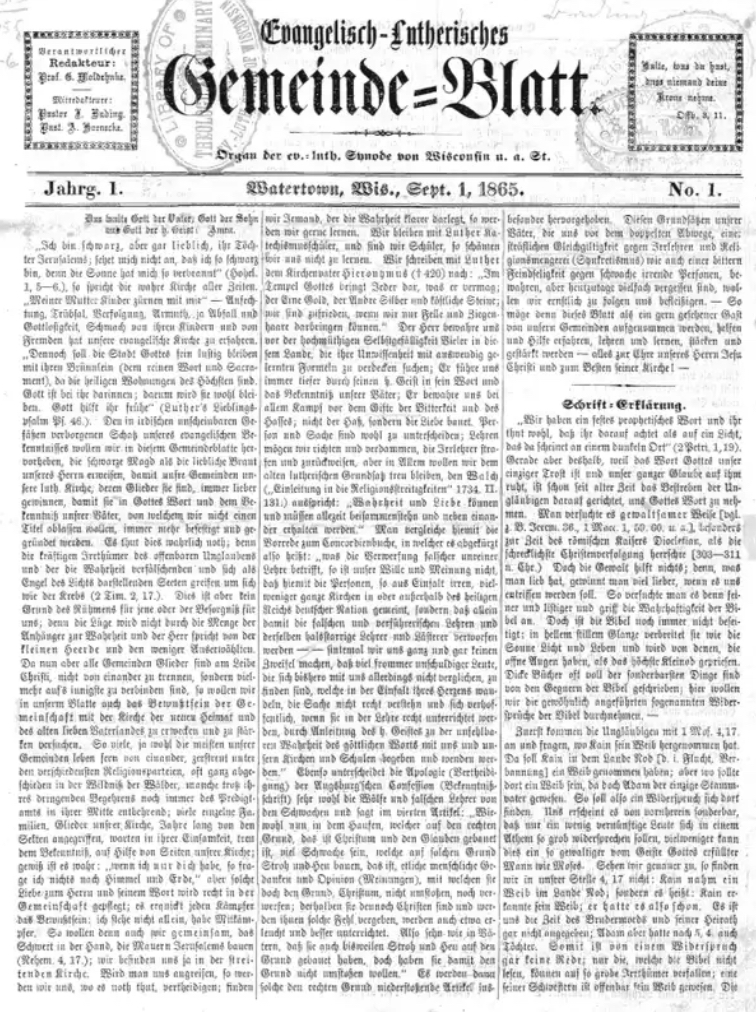
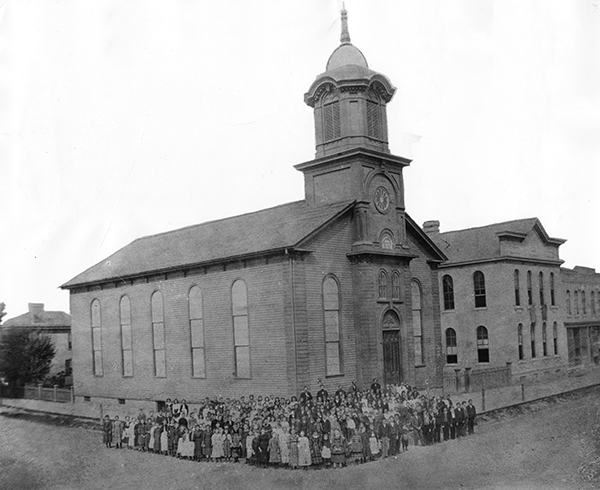
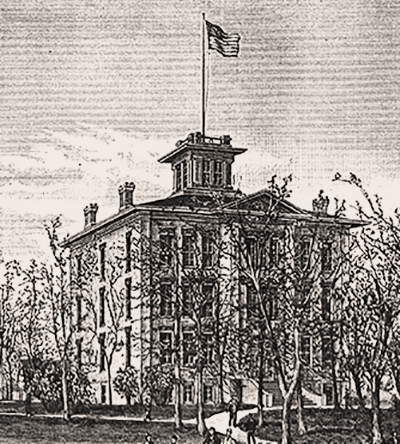
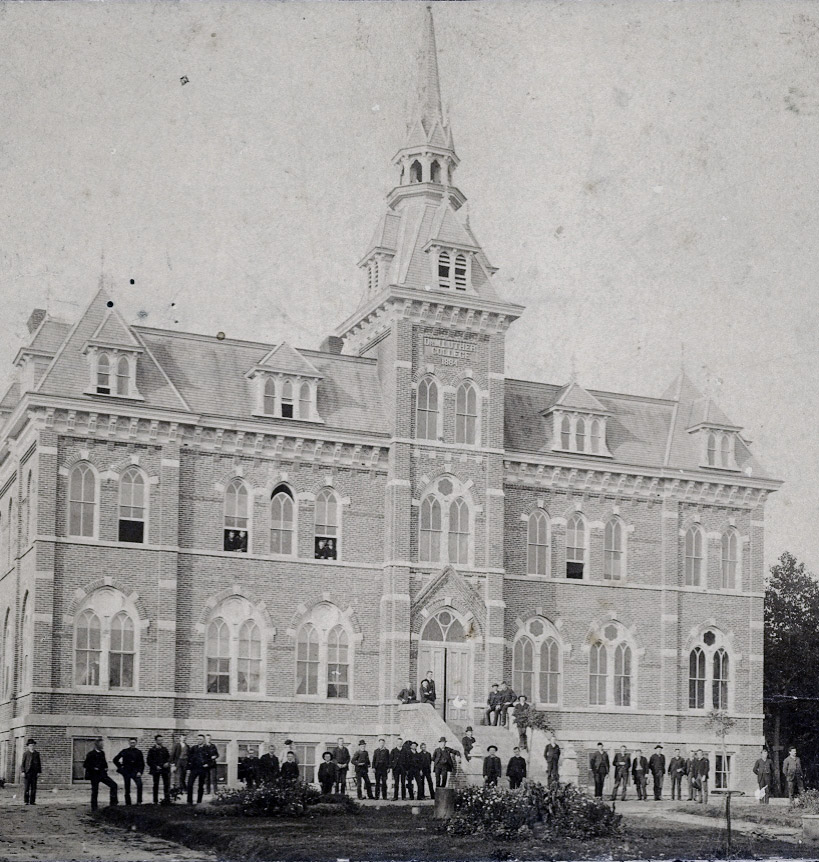
    The synod opens Northwestern University in Watertown, Wisconsin, as a prep school and college for the Wisconsin Synod. Adam Martin serves as the first president of the college. This same year the synod begins publication on its first church periodical named The Gemeindeblatt. The first issue of this publication coincides with the dedication of the new building in Watertown, Wisconsin.


  • 1867

    A Return to the Presidency

    After returning home from his fundraising trip to Germany, Johannes Bading is elected as president of the Wisconsin Synod again. He accepts a call to serve at St. John’s Lutheran Church in Milwaukee, becoming the second pastor from this congregation to also serve as synod president.


  • 1868

    A New Friendship

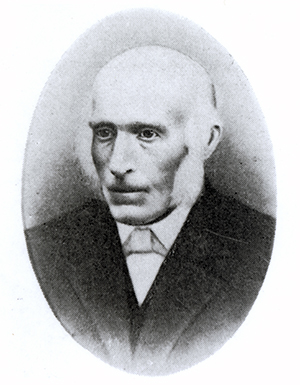
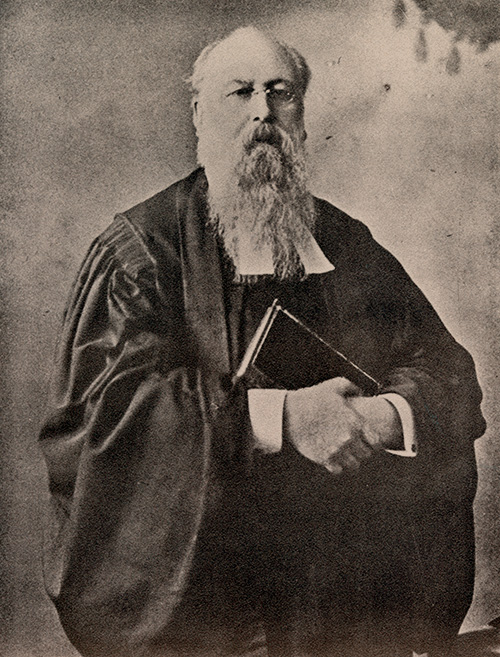
    The Wisconsin Synod severs ties with the European mission societies who had been sending pastors to our synod to help serve our growing membership. The Wisconsin Synod is growing more confessional in its stance, and many of the pastors from the mission societies are not confessional. As a result of these severed ties, Johannes Bading is instructed to pursue discussions with the Missouri Synod. Representatives meet in October and discover that the two synods are in doctrinal agreement.


    [Walther full body view]

  • 1870

    Sharing the Training

    The Wisconsin Synod and the Missouri Synod begin a worker training arrangement: The Wisconsin Synod sends seminary students to Concordia Seminary in St. Louis while the Missouri Synod sends college students to Northwestern. Each synod sends a professor to the respective school where their students attend.


  • 1871

    Ernst Becomes President of Northwestern College

    August Ernst becomes president of Northwestern; he will serve until 1919. At 28 years old, Ernst joined the faculty of the college in 1869. Over the course of his 50 years of service at Northwestern, numerous synod leaders are trained under his leadership.

    Related:


  • 1872

    The Synodical Conference

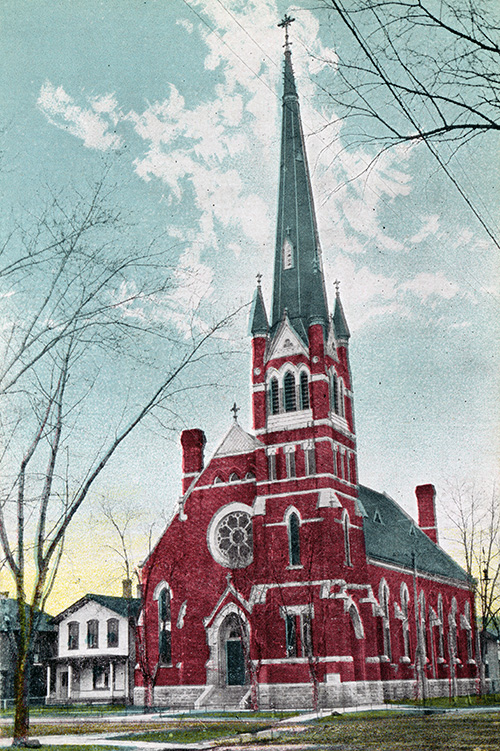
    The Evangelical Lutheran Synodical Conference of North America is established at St. John’s, Milwaukee (on the Hillside), where President Johannes Bading is pastor. The charter synods are Ohio, Missouri, Norwegian, Wisconsin, Minnesota, and Illinois. C. F. W. Walther is elected as the first president of the Synodical Conference.

    Related:


  • 1878

    The Milwaukee Seminary

    The Wisconsin Synod ends its training arrangement with the Missouri Synod and reestablishes its seminary in Milwaukee with Adolph Hoenecke as the director and professor.


  • 1884

    A College Opens in Minnesota

    The Minnesota Synod establishes Dr. Martin Luther College and Seminary in New Ulm, Minnesota. The campus is dedicated on November 9, 1884; classes begin the next day, the 401st anniversary of Martin Luther’s birth.

    Related:


  • 1885

    The First Michigan Lutheran Seminary

    The Michigan Synod establishes Michigan Lutheran Seminary. It is first located in a home in Manchester, Michigan, and then moves permanently to Saginaw, Michigan.

    Related:


  • 1889

    A Presidential Change

    At the 1889 synod convention, Johannes Bading asks to step down as synod president to better serve St. John’s and his position as president of the Synodical Conference. The convention elects Pastor Philip von Rohr, pastor at St. Martin’s in Winona, Minnesota, to serve as synod president. He became pastor of St. Martin’s (now Missouri Synod) in 1866 and led the congregation to join the Wisconsin Synod in 1877.


  • 1891

    Into the World of Publishing

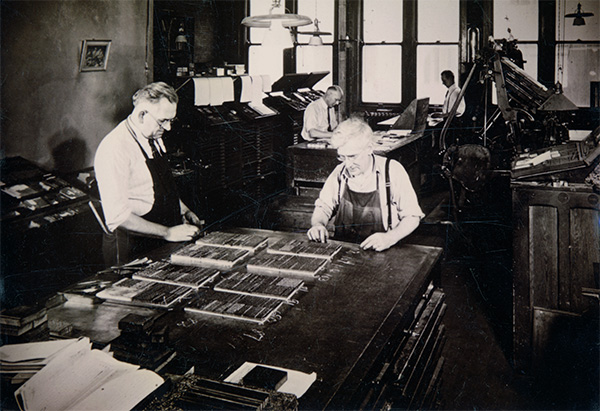
    In the very early years of the synod, the German immigrants brought their religious books and published material with them from Germany. But as the synod continues to grow, there is a need for more material to be published. After several years of operating a bookstore for German religious material, a proposal is brought forth to include printing and publishing material as part of the bookstore. On October 8, 1891, the business is incorporated as Northwestern Publishing House.

    Related:


  • 1892

    The Federation

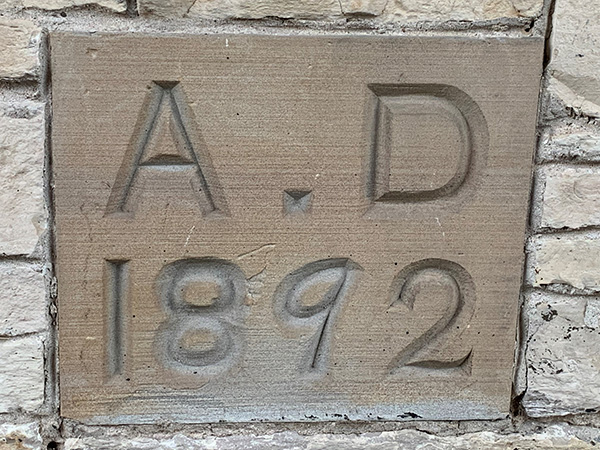
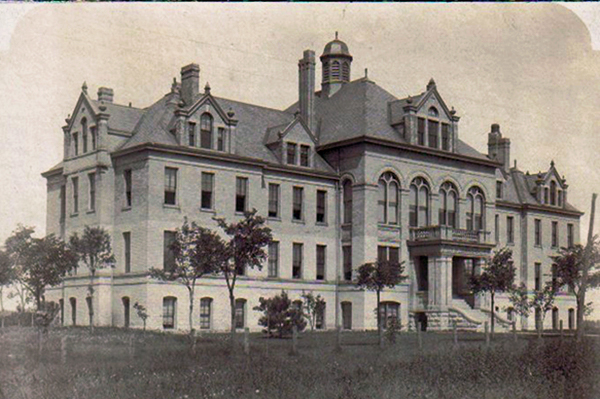
    After years of growing closer and working together in the Synodical Conference, the Minnesota, Wisconsin, and Michigan Synods come together to form the Federation of the Joint Synod of Wisconsin, Minnesota, Michigan, and Other States. The constituting convention for this federated synod is held at St. John’s in Milwaukee (on the Hillside), October 11-12, 1892. At the end of the convention the delegates assemble in Wauwatosa, Wisconsin, for the cornerstone laying of the new seminary.


  • 1893

    A New Mission Field

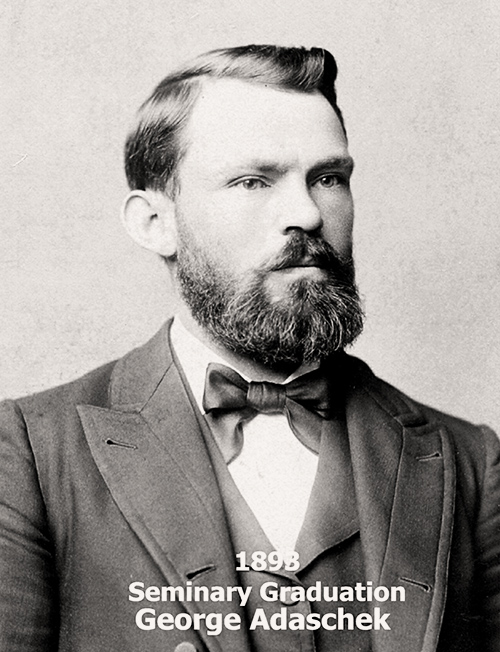
    In 1893 the new Federation calls John Plocher and George Adascheck to serve as the first missionaries to the Apache reservation in Arizona. After traveling by train and stagecoach, these pastors arrive to find primitive conditions. By 1897, they built a school for the Apache children.


  • 1903
  • 1908
  • 1914
  • 1917
  • 1918
  • 1920
  • 1924
  • 1928
  • 1929
  • 1933
  • 1941-45
  • 1949
  • 1950-53
  • 1953
  • 1954
  • 1955
  • 1961
  • 1964
  • 1973
  • 1974
  • 1979
  • 1981
  • 1983
  • 1993
  • 1995
  • 1903

    A Joint High School

    In 1901, a group of Milwaukee-area Wisconsin Synod and Missouri Synod pastors met to discuss starting a Lutheran high school. Two years later, on September 21, 1903, 12 girls form the first class of Lutheran High School in Milwaukee, Wisconsin. Their first classrooms are rented from a Missouri Synod church, but they quickly move to the old Milwaukee Seminary building, before moving to their own building.


  • 1908

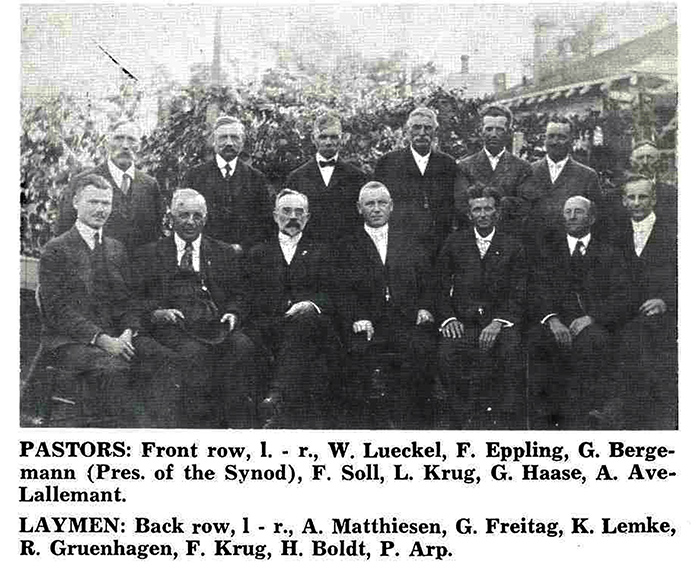
    Bergemann’s Presidency Begins

    Pastor Gustave Bergemann, pastor at St. Peter’s, Fond du Lac, Wisconsin, steps in as synod president, replacing Pastor Philip von Rohr who died December 22, 1908, after years of failing health. In 1909, delegates elect Bergemann as synod president.


  • 1914

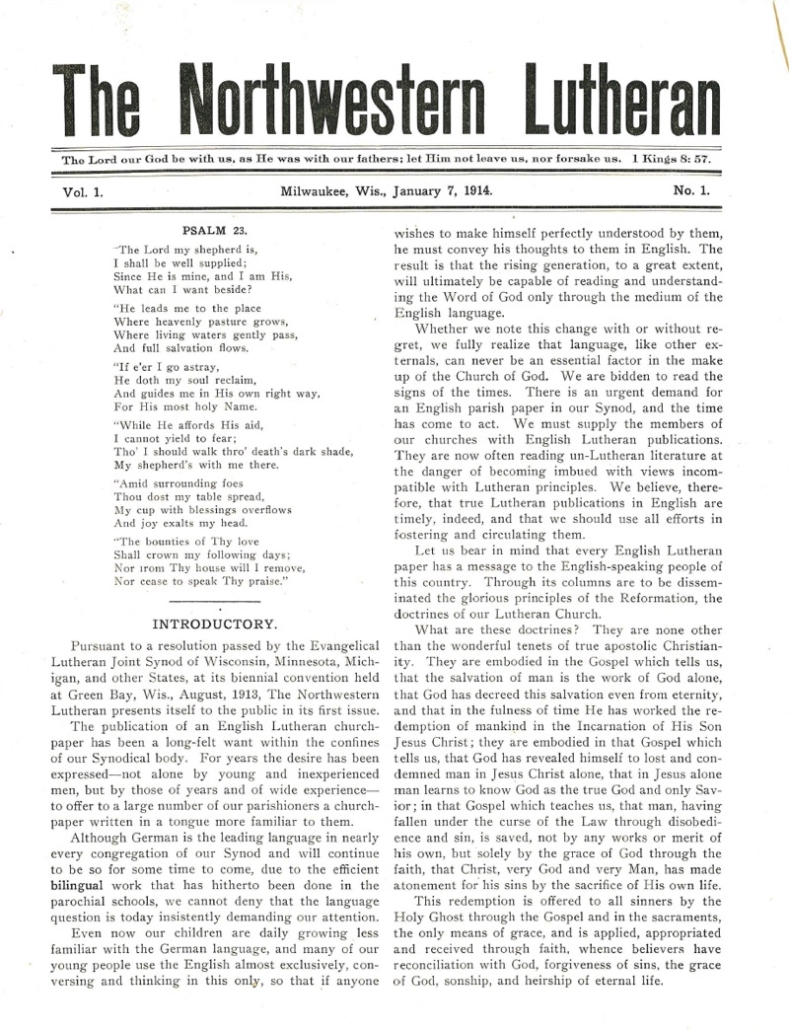
    An English Publication

    The first issue of The Northwestern Lutheran is published in January 1914. After years of only producing materials in German, the synod felt it was time for an English publication. A resolution was passed at the 1913 synod convention calling for the publication of resources in English. A key editor and author in getting The Northwestern Lutheran started is John W. O, Brenner who begins editing the publication from his parsonage study while pastor at St. John’s in downtown Milwaukee. The Northwestern Lutheran lives on today as Forward in Christ.

    Related:


  • 1917

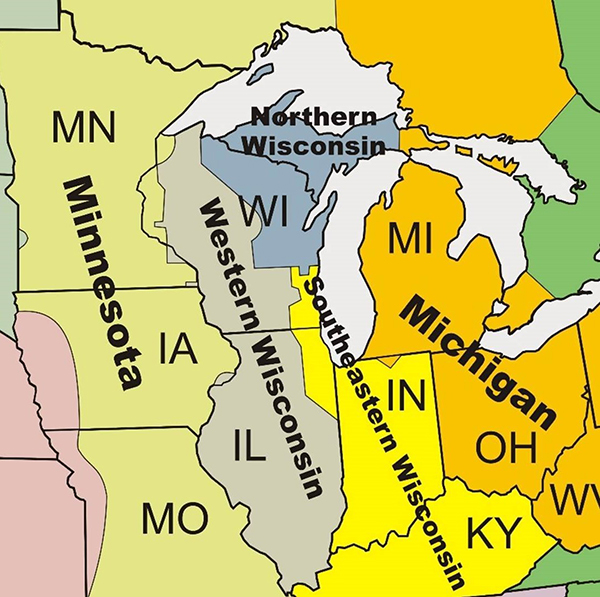
    A Federation Becomes a Synod

    After 25 years of being a Federation, the Wisconsin, Minnesota, Michigan, and Nebraska Synods merge to form the Joint Evangelical Lutheran Synod of Wisconsin and Other States. The Minnesota, Michigan, and Nebraska Synods all become separate districts. The Wisconsin Synod splits into three districts:  Southeastern Wisconsin, Western Wisconsin, and Northern Wisconsin.


  • 1918

    The Seventh District

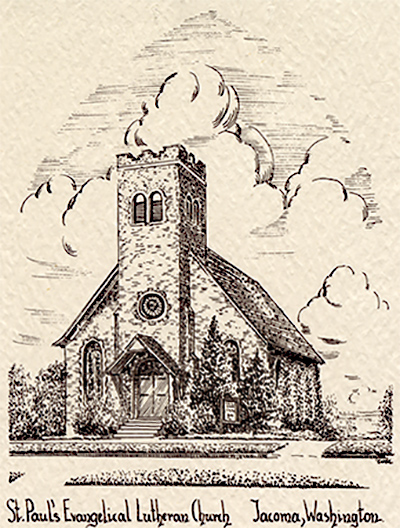
    In 1918, eight pastors in Washington come together and vote to join the newly merged Wisconsin Synod as the seventh district. When they meet for their constituting convention on July 18, 1918, President Gustave Bergemann is there to welcome them into the synod as the Pacific Northwest District.

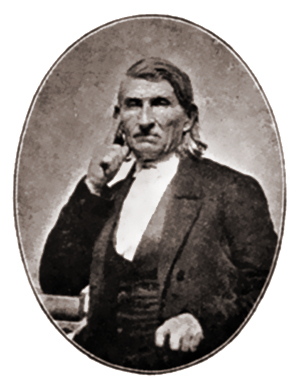
    Pastor F. A. Wolf formed the first Wisconsin Synod congregation in Washington, in 1894. St. Paul’s, Tacoma, Washington, was joined by Grace Lutheran Church in Yakima, Washington, in 1903 as the second Wisconsin Synod congregation in the state.


    [Wolf full body view]

  • 1920

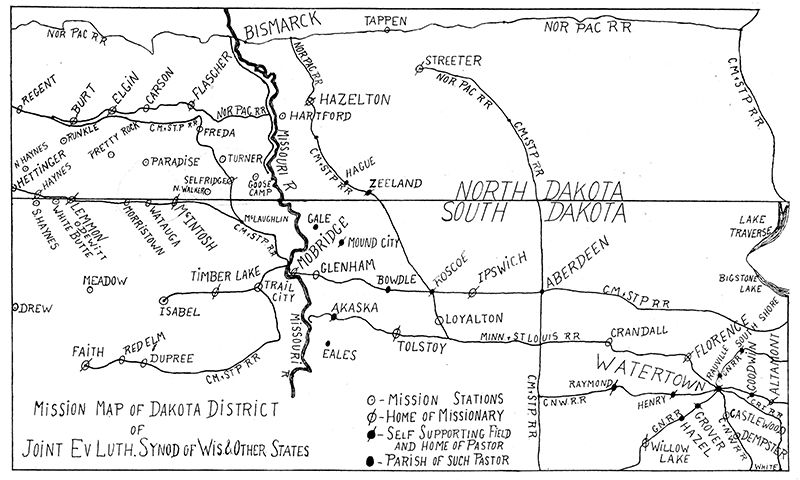
    The Dakota-Montana District is Formed

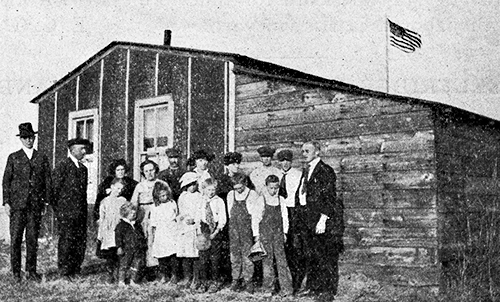
    By 1881, the Minnesota Synod was hearing reports from Christoph Boettcher, the first traveling missionary for that synod, that there was a promising field in the Dakota territories. By the early 1900s, with more people heading west, the Minnesota Synod had several preaching stations and mission congregations in the Dakotas. In 1920, 23 pastors meet to form the Dakota-Montana District of the Wisconsin Synod. It becomes the eighth district of the synod.

    Related:

    • The Lutheran History Podcast: Our Dwelling Place for Generations, a Centennial History of the WELS Dakota Montana District
      Spotify | Apple Podcasts

  • 1924

    The Protest’ant Controversy Begins

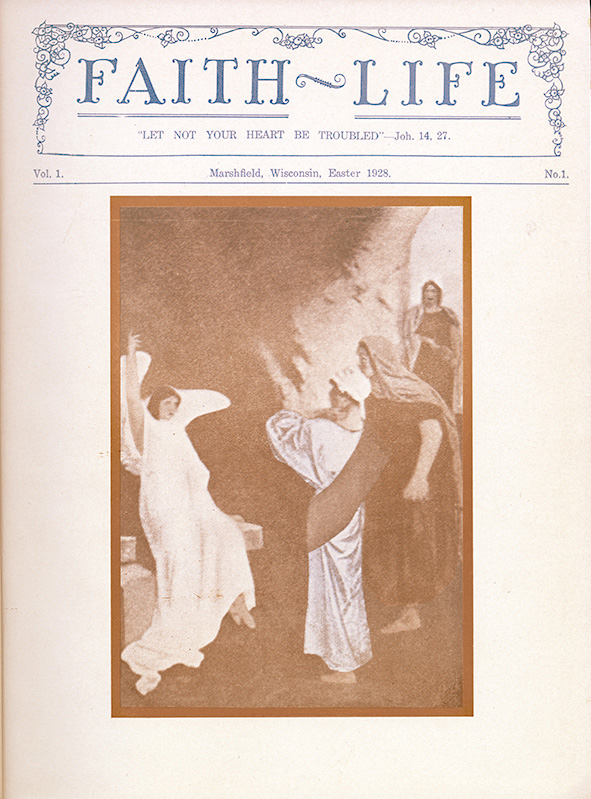
    The uncovering of a thievery ring at Northwestern is the first in a series of events that lead a group of pastors to protest disciplinary actions of district officials. This group of pastors form the “Protes’tant Conference” and begin publishing Faith-Life as their periodical. Eventually, almost 40 pastors, several Northwestern professors, and two seminary professors, including J. P. Koehler, the seminary president, are suspended from the synod.


  • 1928

    Northwestern Lutheran Academy

    At the 1927 synod convention, the delegates voted to open a high school in the Dakota-Montana District. On September 5, 1928, the first class of 22 freshmen begin at Northwestern Lutheran Academy in Mobridge, South Dakota. Karl Sievert is the first teacher for this new school.


  • 1929

    Thiensville Seminary

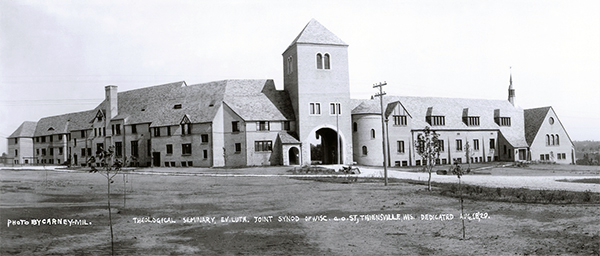
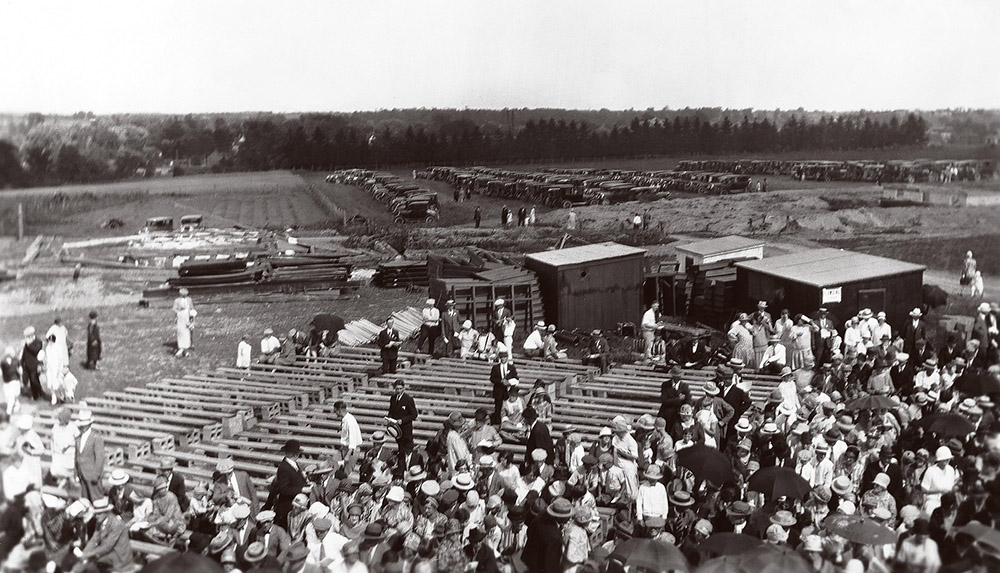
    After discovering that expansion on the Wauwatosa campus of the seminary was not a viable option, the synod purchased land in Thiensville, Wisconsin, and broke ground for the new seminary on May 14, 1928. President Gustave Bergemann presided over the cornerstone laying on July 22, 1928. The new seminary is dedicated on August 18, 1929, with an estimated 15,000 people in attendance.

    Related:


  • 1933

    A New Synod President

    At the 1933 synod convention, John W. O. Brenner is elected as new synod president to replace Gustave Bergemann. He is the only synod president to be voted out of office. Brenner becomes the third synod president to serve at St. John’s in Milwaukee.


  • 1941-45

    During the War Years

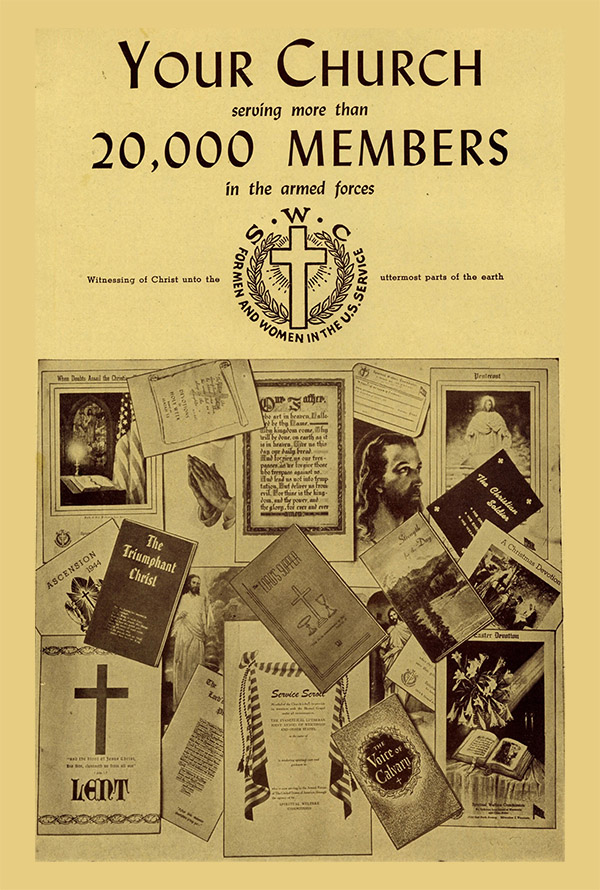
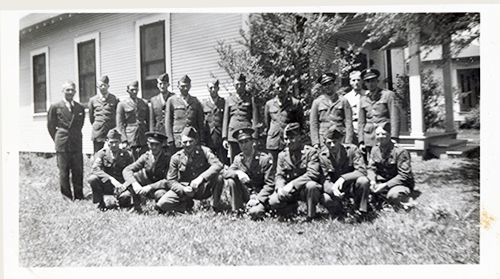
    When the United States entered World War I in 1917, the synod worked together with the Synodical Conference to provide religious support to those who served in the military. By World War II the synod was not comfortable providing military chaplains to support WELS service members. Instead, the Spiritual Welfare Commission was created and began a mailing program to our service members. This program also established “camp pastors” who served near large training camps that had been created to train the troops. Over the course of the war over 20,000 service men and women received care from the Spiritual Welfare Commission.

    Related:


  • 1949

    WELS Forty-niners

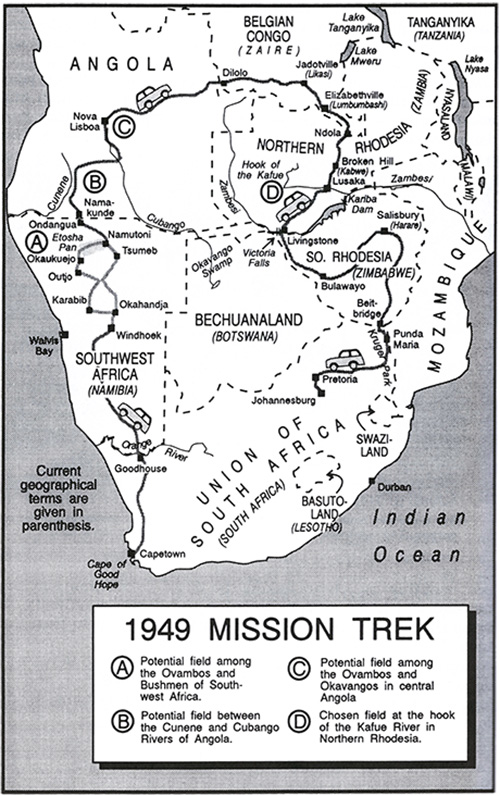
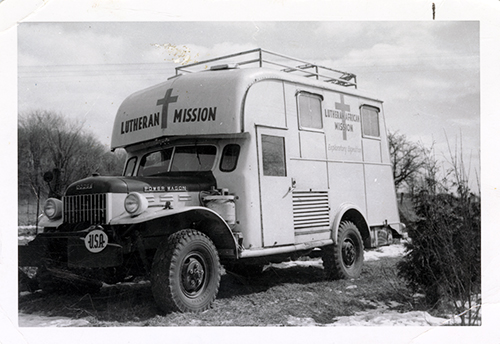
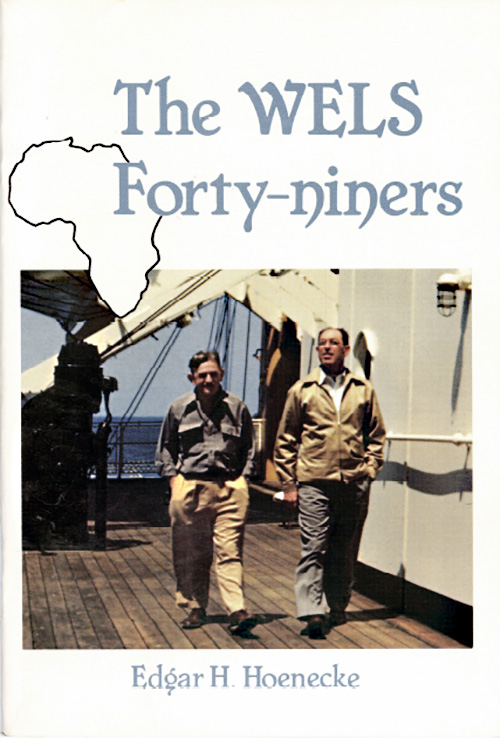
    After World War II the synod was ready to venture into global mission work. In 1949 two pastors Edgar Hoenecke and Arthur Wacker, leave to go on an exploratory trip to Africa. Hoenecke dubbed them the “WELS Forty-niners.”  They spend three months covering roughly 4,000 miles around Africa looking for places to start mission fields. Upon their return Hoenecke takes the film footage from that trip and creates a film, “Africa Still Calls” that is sent to congregations throughout the synod to inform them of the expanding mission fields.

    Related:
    Africa Still Calls, a film by Rev. Edgar Hoenecke (1hr 11min)


  • 1950-53

    Mission Expansion

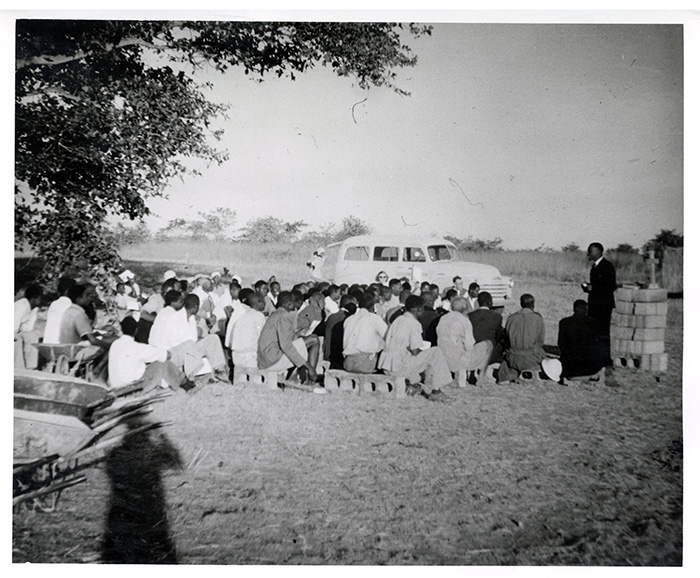
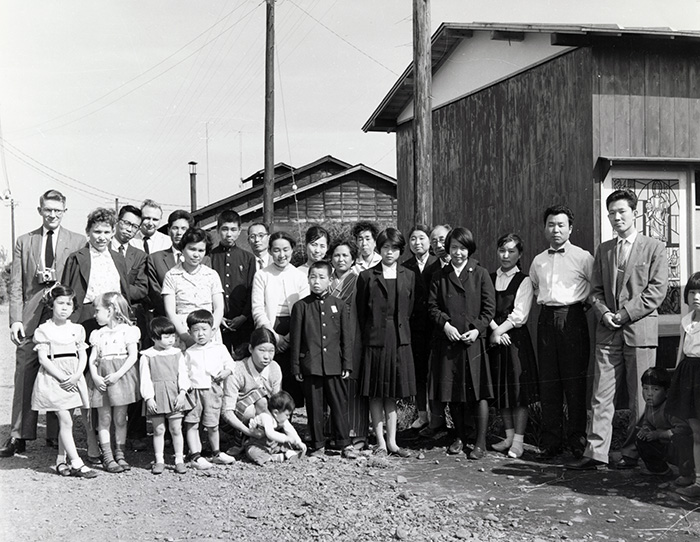
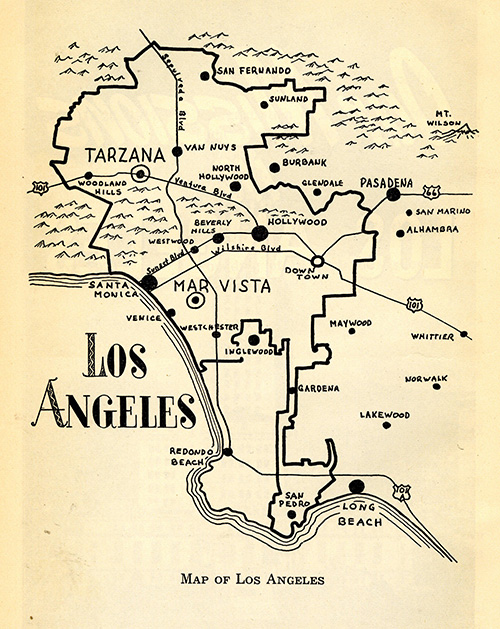
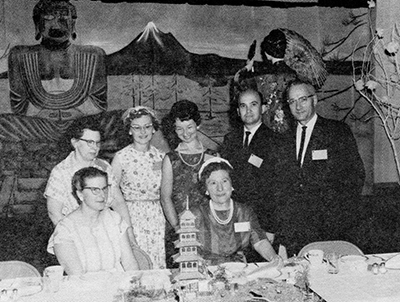
    After the “WELS Forty-niners” return from their exploratory trip to Africa, the synod expands its mission fields. Over the course of three years the synod expands into the home mission field of California and the world mission fields of Japan in Asia and Zambia in Africa.

    Related:

    • The Lutheran History Podcast: Mission Expansion in the Wisconsin Evangelical Lutheran Synod, 1929-1983
      Spotify | Apple Podcasts

  • 1953

    A New Leader

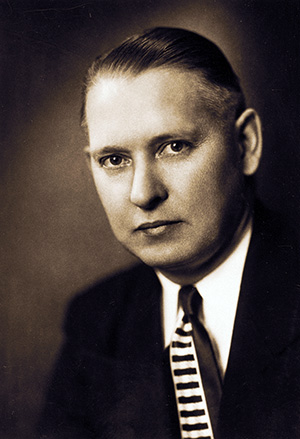
    Oscar J. Naumann is elected synod president at the 1953 synod convention when John Brenner asked not to be considered for re-election. Naumann had been serving as second vice president of the synod since 1951 and prior to that as the Minnesota District President.


  • 1954

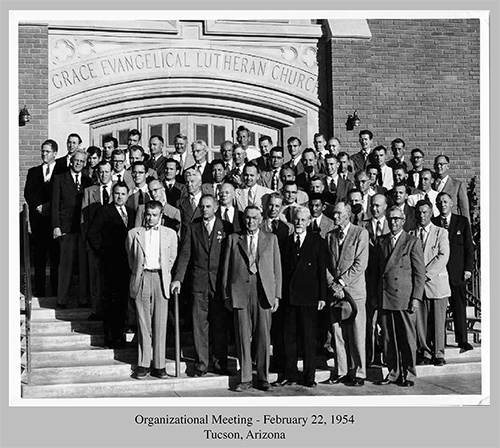
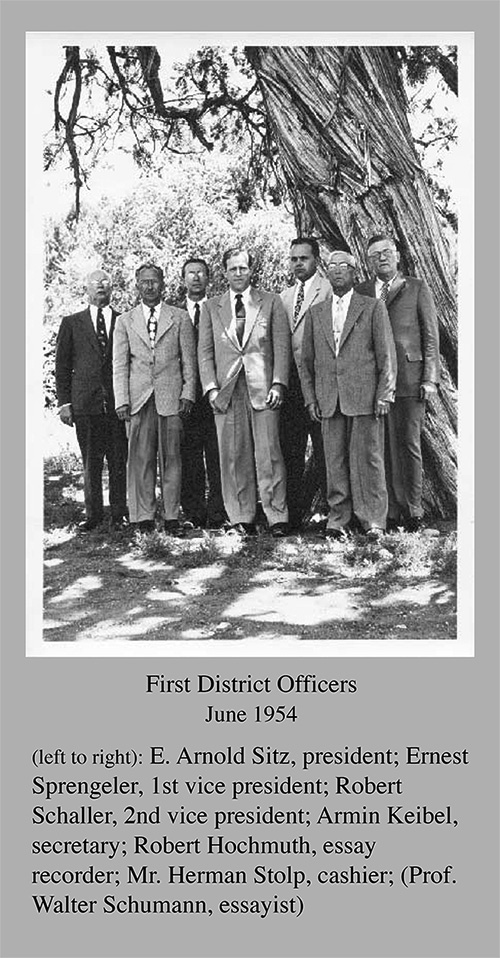
    The Ninth District

    The growth in our synod in Arizona and California prompts pastors in that area to gather in 1954 to form the Arizona-California District. The constituting convention for the district is held at the Apache mission’s East Fork Church in Whiteriver, Arizona. Delegates elect Pastor E. Arnold Sitz to become the first district president.


  • 1955

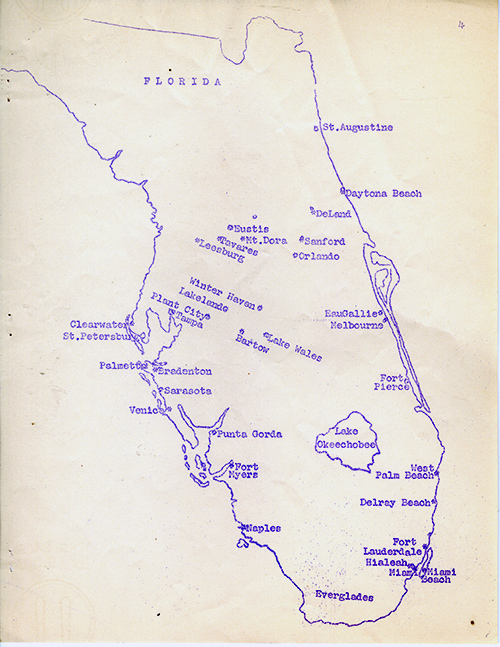
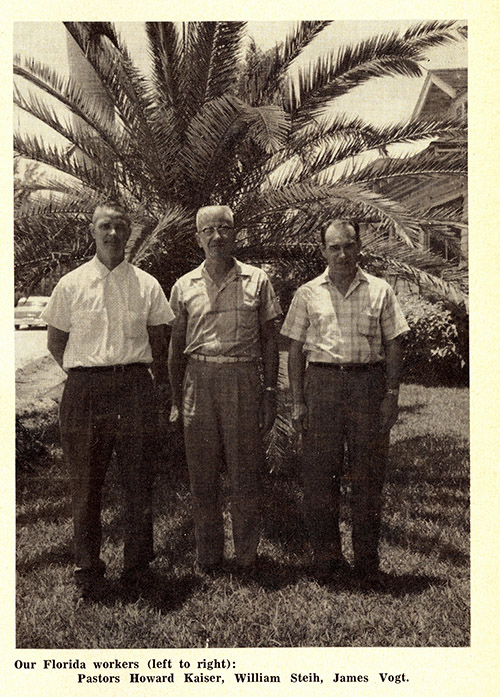
    Into Florida

    While other mission fields are being started at home and abroad by the synod, the move into Florida is taken on entirely by the Michigan District. In the summer of 1955, Pastor William Steih, called by the Michigan District Mission Board, begins Faith Lutheran Church in St. Petersburg, Florida.


  • 1961

    The Split

    After more than 20 years of discussions concerning issues such as scouting, chaplaincy, and prayer fellowship, the Wisconsin Synod makes the difficult decision to break fellowship with the Missouri Synod. At the 1961 synod convention held at Wisconsin Lutheran High School, delegates vote 124 to 49 to split from the Missouri Synod. Two years later delegates vote to withdraw from the Synodical Conference.

    Related:


  • 1964

    Lutheran Women’s Missionary Society

    In 1963 a group of women gathered in Neillsville, Wisconsin, to discuss forming a national women’s society that would support the synod’s mission work. On June 27, 1964, the first Lutheran Women’s Missionary Society convention is held at St. Matthew’s in Winona, Minnesota; 256 women attended the first convention. Today’s yearly conventions are routinely attended by over 1,000 women.

    Related:


  • 1973

    The Tenth District

    After the Michigan District began mission work in Florida, WELS started to open more congregations in the South Atlantic area. By 1973 there are congregations in Georgia, Alabama, Tennessee, South Carolina, and Louisiana. At the 1973 synod convention, these congregations are approved to become the tenth district of the synod, the South Atlantic District. Pastor Ray Wiechmann is elected as the first district president.


  • 1974

    First WELS International Youth Rally

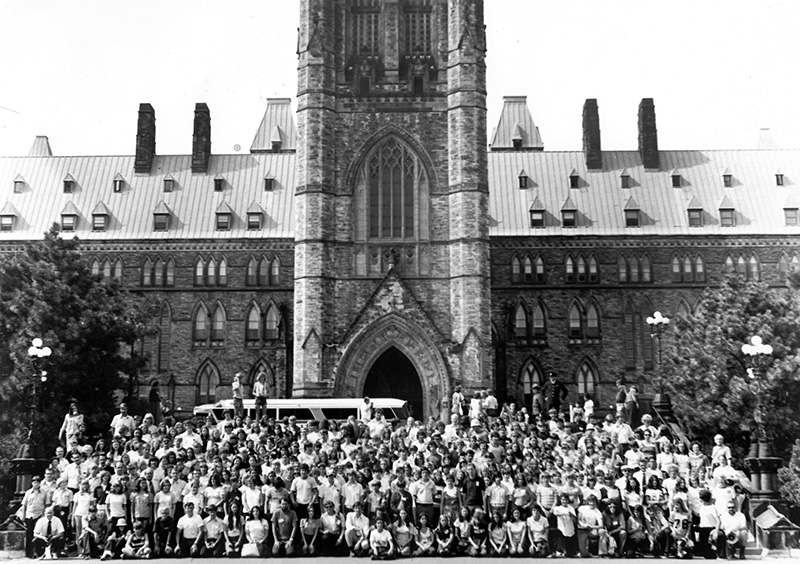
    St. Paul’s in Ottawa, Ontario, Canada, host the very first international youth rally, bringing together 355 teens from 15 states and 2 Canadian provinces. These youth rallies continue today, usually bringing over 2,000 WELS teens together in worship and fellowship.

    Related:


  • 1979

    A Change in Synod Leadership

    Prior to the 1979 synod convention, Naumann announces his intention to retire. However, before the convention takes place, God calls Naumann home to heaven. President Naumann, the longest serving synod president, served for 26 years and saw the synod through a variety of changes during his tenure.

    First vice president of the synod, Carl Mischke, steps in to be the interim president. At the 1979 convention, he is elected by the delegates to continue serving as president.

    This same year, delegates vote to close Northwestern Lutheran Academy in Mobridge, South Dakota. Martin Luther Academy in New Ulm, Minnesota, moves to Prairie du Chien, Wisconsin, and becomes Martin Luther Preparatory School.

    Related:
    How MLA in New Ulm, Minnesota Became MLPS in Prairie du Chien, Wisconsin.


  • 1981

    Promoting Synod History

    In 1981, the WELS Historical Institute is founded by a group of history-minded pastors who want to preserve and promote synod history. Within two years of its founding, the institute begins the WELS Historical Institute Journal, a twice yearly publication that is filled with scholarly articles about synod history. The Journal is still in publication today.

    Related:


    The History of the WELS Historical Institute

  • 1983

    The 11th and 12th Districts are Formed

    The synod convention in 1983 welcomes two new districts, bringing the total number of districts to 12. The North Atlantic District is formed with congregations from Maine down to North Carolina, while the South Central District begins with 29 congregations in Texas, Oklahoma, Arkansas, and western Louisiana.


  • 1993

    New Fellowship, New President, New Hymnal

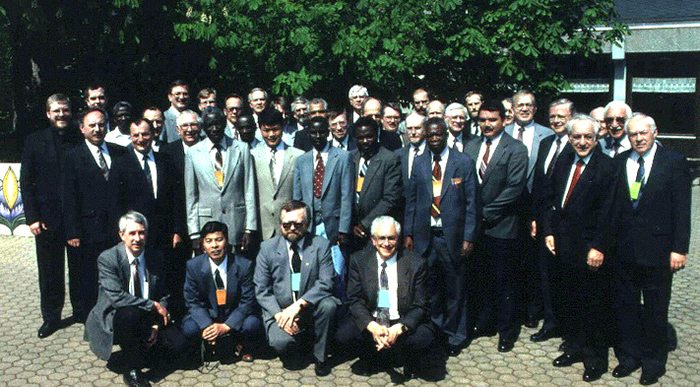
    Thirty years after WELS left the Synodical Conference, a new fellowship organization is founded. The Confessional Evangelical Lutheran Conference (CELC) held its first convention from April 27-29, 1993, in Oberwesel, Germany. WELS and the ELS are the two synods in the United States who are charter members of this group.

    Two other major events in 1993 bring change to the synod. At the synod convention, Pastor Karl Gurgel is elected synod president when Carl Mischke steps down.  Also, a new hymnal is released. After 52 years of using the Lutheran hymnal, WELS publishes its own hymnal: Christian Worship: A Lutheran Hymnal.

    Related:


  • 1995

    Amalgamation

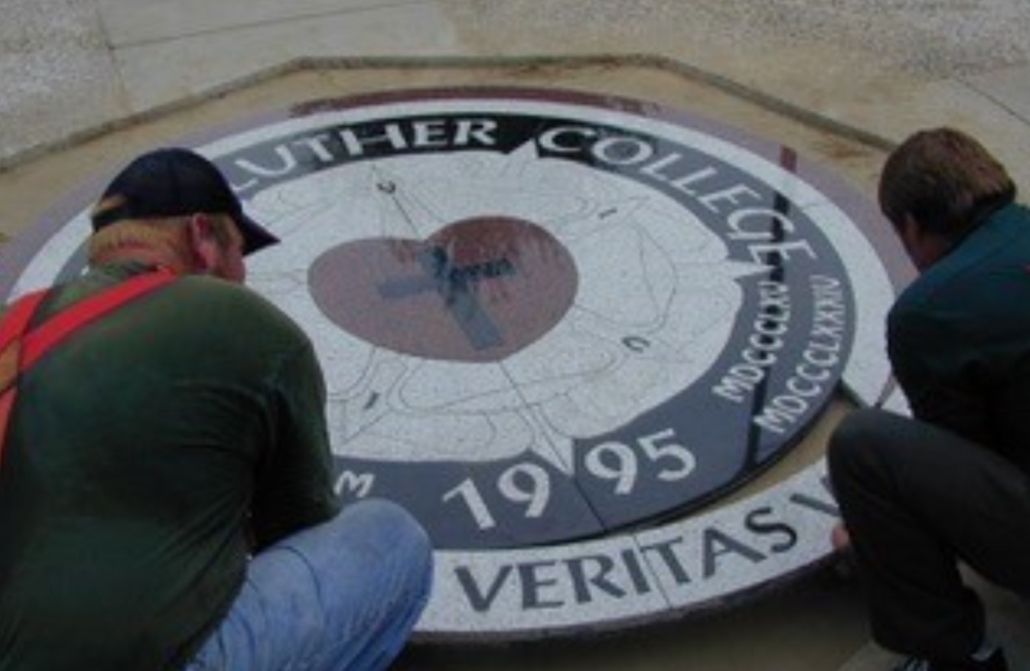
    At the 1991 and 1993 synod conventions, delegates were faced with some difficult decisions about how to move the synod forward while facing called worker shortages and financial difficulties. It was voted at the 1993 convention to amalgamate Dr. Martin Luther College in New Ulm, Minnesota, and Northwestern College in Watertown, Wisconsin. In 1995, these two campuses form Martin Luther College in New Ulm, Minnesota. That same year, two other schools, Martin Luther Preparatory School in Prairie du Chien, Wisconsin, and Northwestern Preparatory School in Watertown, Wisconsin, merge to form Luther Preparatory School in Watertown.

    Related:


  • 2007
  • 2014
  • 2021
  • 2007

    The 12th Synod President

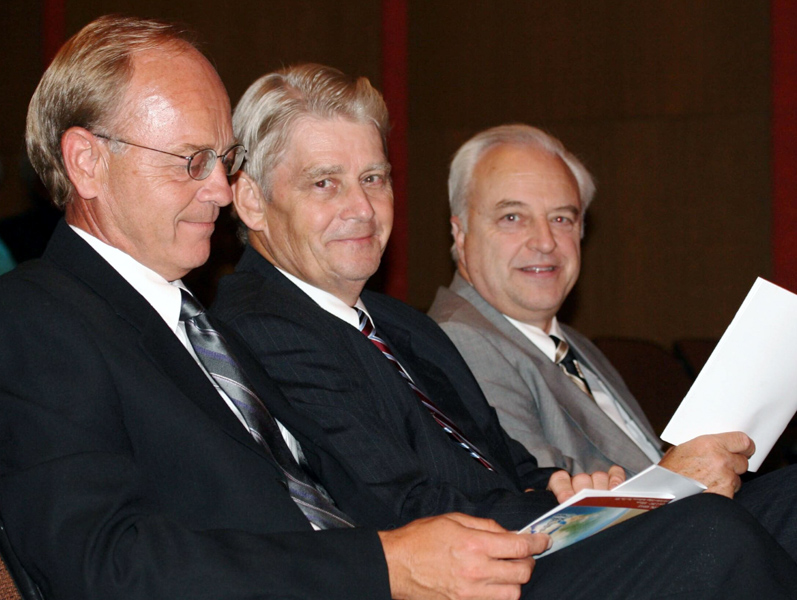
    At the 2007 synod convention, President Karl Gurgel retires, and Pastor Mark Schroeder is elected to serve in this office. President Schroeder had been serving as the president of Luther Preparatory School since the amalgamation in 1995. Prior to that, he had been the president of Northwestern Preparatory School in Watertown, Wisconsin, since 1989.


  • 2014

    A New Synod Headquarters

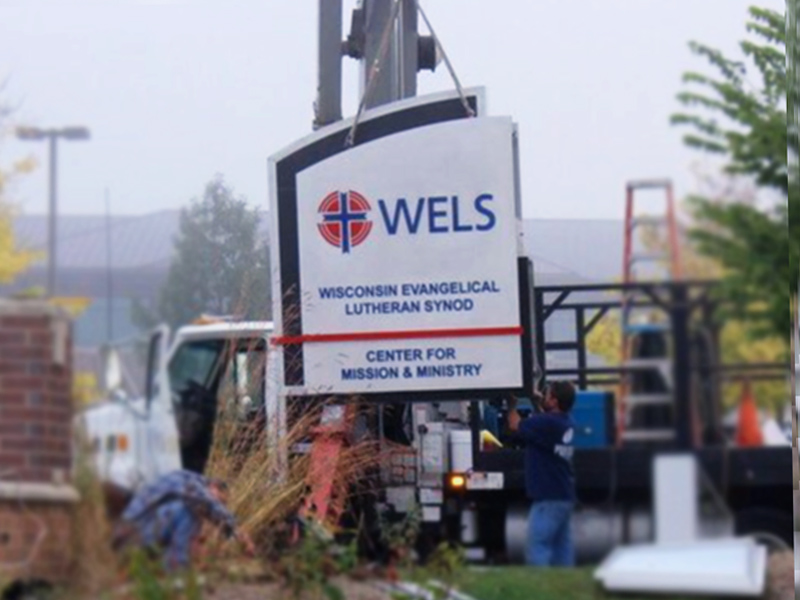
    The Center for Mission and Ministry, which is dedicated in 2014, becomes the third synod headquarters. After just over 50 years of being located in Milwaukee, Wisconsin, the synod moves to a building in Waukesha, Wisconsin, that allows for a Visitors Center and the Synod Archives.


  • 2021

    Christian Worship 2021

    Almost 30 years after Christian Worship was released, a new Christian Worship: Hymnal debuts. This new hymnal contains many traditionally favorite hymns, while introducing new ones to the congregations. In addition, the WELS Hymnal Project produces a new volume,  Christian Worship: Psalter. The Psalter has received accolades outside of  WELS because it is the first of its kind to contain settings for all 150 psalms.
    Related:
    Christian Worship 2021 suite of products on NPH bookstore website